The back story
Hill-grown arabica, wicker-chair tea: Bangkok’s coffee and tea culture, the back story
From a 1686 record and northern arabica to tea in the Authors’ Lounge: how Bangkok takes its cup.

Photo Credit
Image courtesy of © Chainwit. · CC BY-SA 4.0 via Wikimedia CommonsBangkok drinks in two dialects. One is a riverside ritual of scones and home-made jam in a hotel building of 1876; the other is a young, trophy-hungry speciality scene roasting beans from its own northern hills. Here is how a country that grows a fraction of the coffee it drinks came to prize its own, and where to taste both traditions.
In the Authors’ Lounge at the Mandarin Oriental, tea is poured beneath framed photographs of writers who have stayed since the late nineteenth century, among wicker chairs and palms. Across town in Ari, a roaster sells beans from Nan province alongside a Panama Geisha. Between those two cups lies most of what there is to know about how Bangkok drinks.
A habit three centuries old
Coffee is older here than most visitors assume. Thailand’s Department of Agricultural Extension records coffee growing as early as the Ayutthaya period, in 1686. By 1870, it notes, foreign trade had spread the habit among Thais and Bangkok had its first coffee shop, importing beans from Brazil, Colombia and Bali before it began to roast its own.
Beans from the northern hills
Robusta came to the south first: in 1904, the department records, a pilgrim returning from Mecca planted seeds in Songkhla, and the hardy bean suited the hot, humid south. Arabica followed in the northern highlands from 1974, when hill farmers were encouraged to grow it in place of opium. Doi Tung, Doi Inthanon and Doi Chang became known for quality arabica, and Chiang Rai, Nan and Mae Hong Son now draw the speciality crowd.
The figures carry a twist. Thailand produced 16,623 tonnes of coffee in 2024, yet Thais drink more than 90,000 tonnes a year, an average of one and a half cups each a day. A country that grows a fraction of what it drinks has every reason to prize its own beans; the imports, meanwhile, keep the city awake.
The competition roasters
Nana Coffee Roasters began with a founder, Warong Chalanuchpong, who by the company’s own account had never drunk a cup of coffee before he signed up for a barista class, while running a photo shop in a fading trade. He went on to qualify abroad as a Q Grader, the seventh in Thailand, and coached the team behind the first Thai win at the World Siphonist Championship, in Tokyo in 2018. Its own beans include Nan Typica and Doi Chang.
Competition is the house sport. Factory Coffee lists Thailand Barista Championship titles in 2017, 2018 and 2020 and a top-three place at the World Coffee Roasting Championship in 2025. Brave Roasters, roasting since 2013, won the World AeroPress Championship in 2023, and PAGA Microroastery roasts on Sukhumvit Soi 31. In this city the barista’s trophy shelf has become the new wine list.
A country that grows a fraction of what it drinks has every reason to prize its own beans.
Tea by the river
The other ritual is older and slower. The Mandarin Oriental dates its beginnings as The Oriental Hotel to 1876, and its Authors’ Wing, built that year, is the original building. Four suites there are named after Joseph Conrad, Somerset Maugham, Noël Coward and James Michener, and a River Wing suite is called Otago, after Conrad’s ship, which once sheltered on the river by the hotel.
The Authors’ Lounge fills the ground floor of the original hotel with turn-of-the-century wicker and hand-painted fabrics. Afternoon tea runs from noon to 6pm: finger sandwiches, pastries, freshly baked scones and home-made jams. A smart dress code applies to everyone, children included; gentlemen need long trousers and closed shoes, and sleeveless shirts are not permitted at any hour. Literature, it seems, was never allowed in flip-flops.
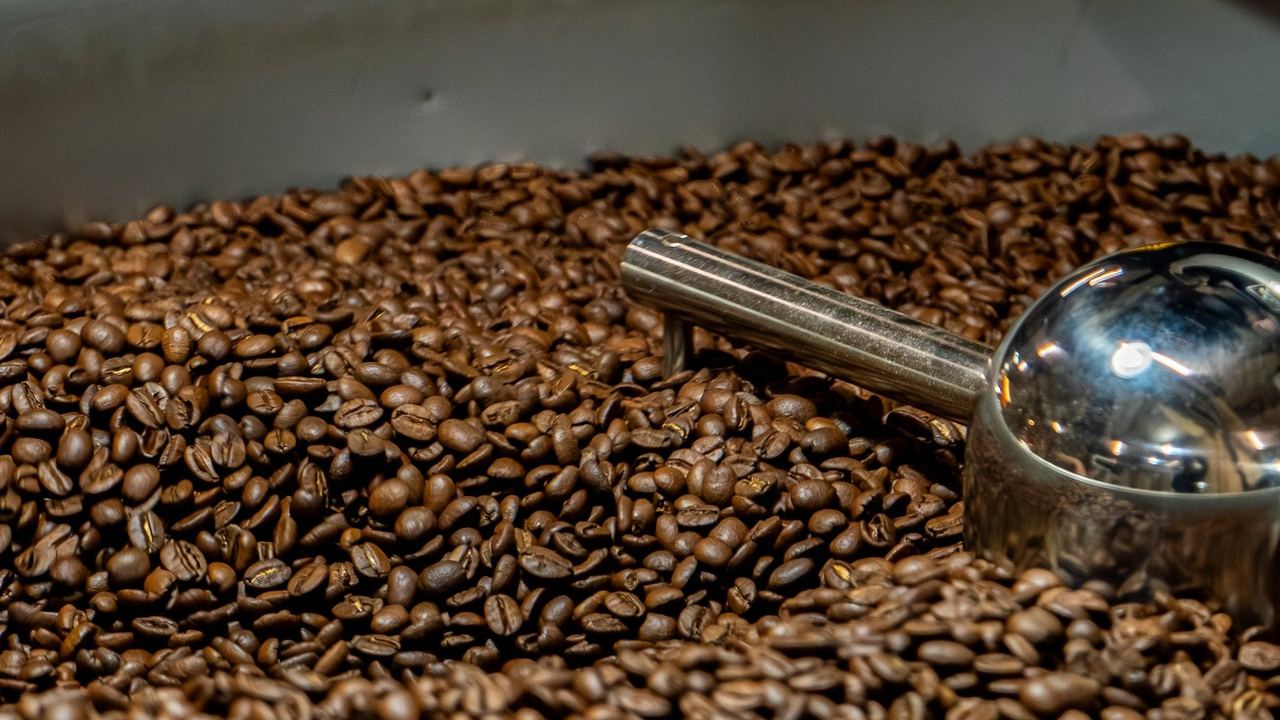
Photo Credit
Image courtesy of © Nana Coffee RoastersFacing Lumphini Park, the new Dusit Thani offers a lighter alternative at Dusit Gourmet, where pastries and buttery viennoiseries are baked fresh each day for breakfast, a light lunch or an afternoon coffee.
Our advice: start in Ari with a filter of northern Thai beans at Nana Coffee Roasters, then cross town to the river for tea in The Authors’ Lounge, booked ahead and dressed for. Ask any roaster which province their beans came from: more and more often, the answer is Thai.
Why it's on our list
- A habit three centuries old
- Beans from the northern hills
- The competition roasters
- Tea by the river
Location
The map comes from Google Maps, which sets its own cookies once it loads.
More in depth
 The back storyHigh in the clouds: the rise of Bangkok’s sky barsRooftop bars and an observation deck at 314 m.
 The back storyHeritage on the water: Bangkok’s grand riverside hotelsWhy the grandest hotels face the river, and how to choose.
 The back storyTemples and golden spires: the historic heart of RattanakosinThe Grand Palace, Wat Pho and Wat Arun.